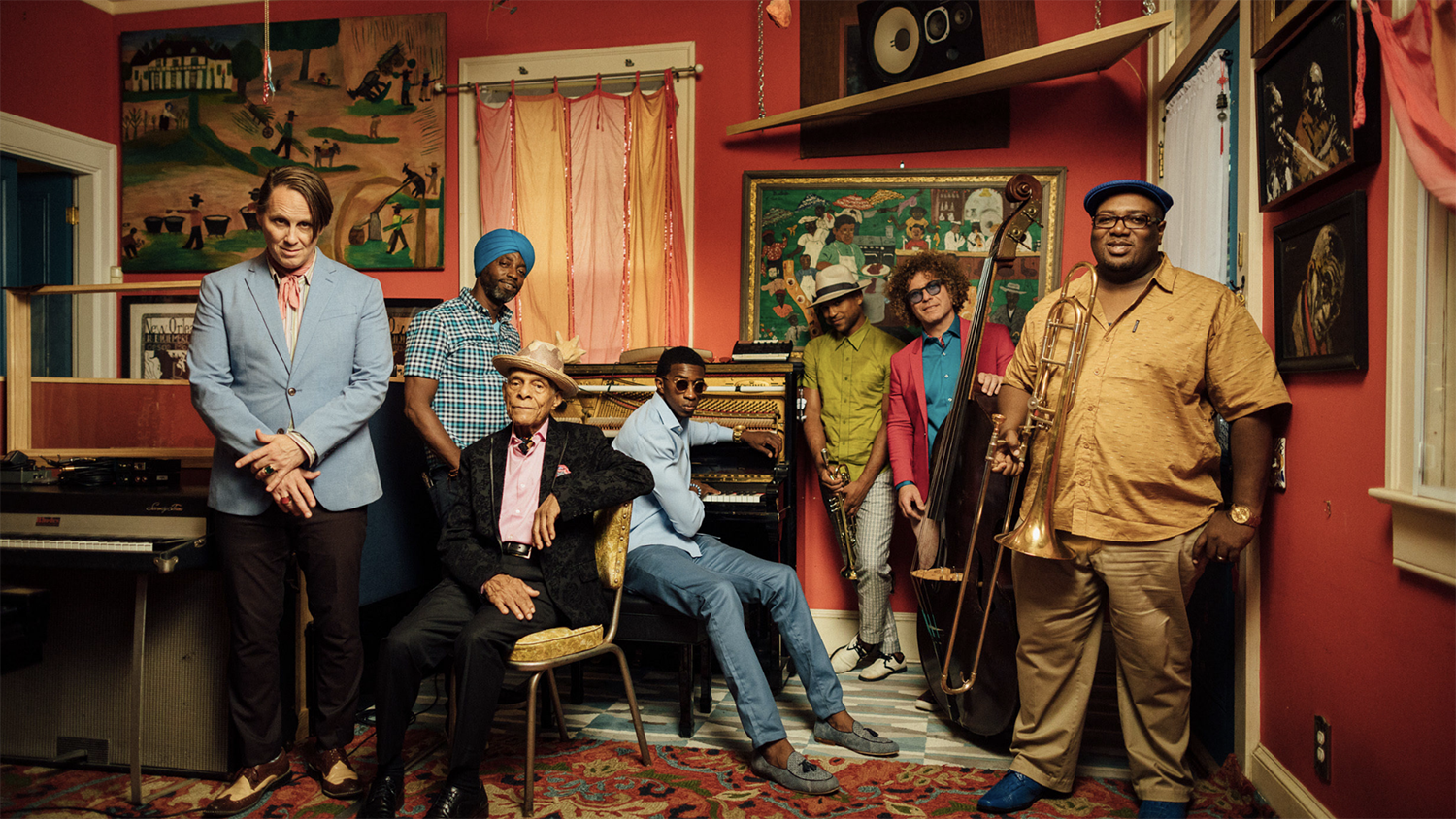
out now
CHARLIE GABRIEL’S 89
RECORDED IN NEW ORLEANS DURING PANDEMIC VENUE CLOSURES AND CANCELLATIONS, ‘89’ IS A CELEBRATION OF CHARLIE GABRIEL’S EXTRAORDINARY LIFE IN MUSIC.


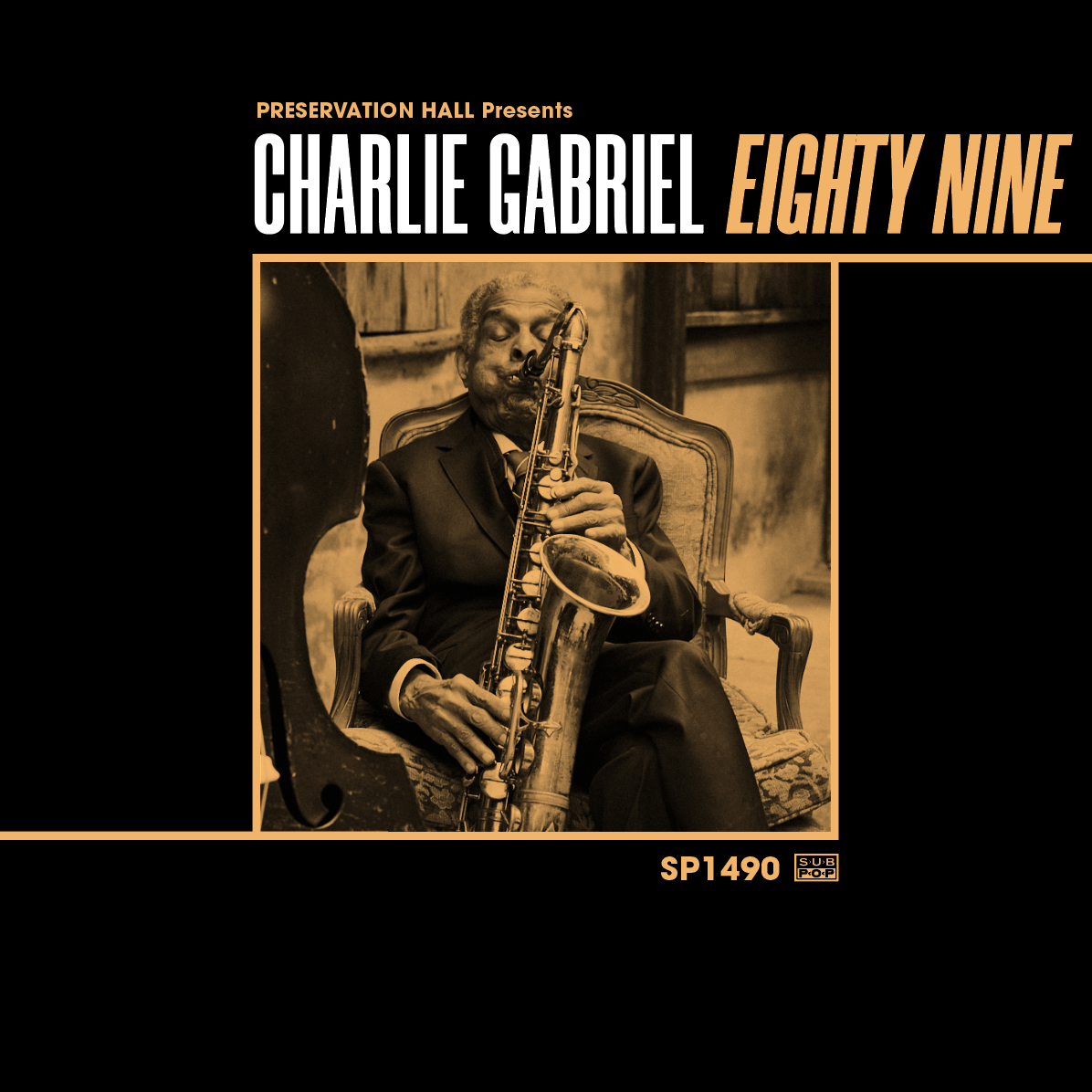
Preservation Hall Presents
89
Charlie Gabriel’s debut album
Charlie Gabriel has been a musician for over 75 years. “I’ve been playing since I was 11 years old,” he says. “I never did anything in my life but play music. I’ve been blessed with that gift that God gave me, and I’ve tried to nurse it the best way I knew how.” As a teenager living in Detroit, he played in Lionel Hampton’s band, which also included a young Charles Mingus, and later spent nine years with a group led by drummer J.C. Heard. Still later, he toured with Aretha Franklin and played with many other pop and R&B artists. He’s lived and worked in Germany and Singapore, too, but he always knew he’d find his way back to New Orleans, the city of his birth.
Since 2006, he’s been a member of the Preservation Hall Jazz Band, and has developed a tight musical relationship with the group’s bassist and tuba player, Ben Jaffe. The two men, along with guitarist Joshua Starkman, recorded Charlie’s new album 89 throughout 2020 and 2021.
MUSIC
“Lift Every Voice and Sing” is our rendition of THE BLACK NATIONAL ANTHEM, RECORDED IN NEW ORLEANS ALONG WITH MEMBERS OF THE PRESERVATION HALL COLLECTIVE FOR THE CRITICALLY-ACCLAIMED DOCUMENTARY MLK/FBI.


2019
2017

2013

A TUBA TO CUBA
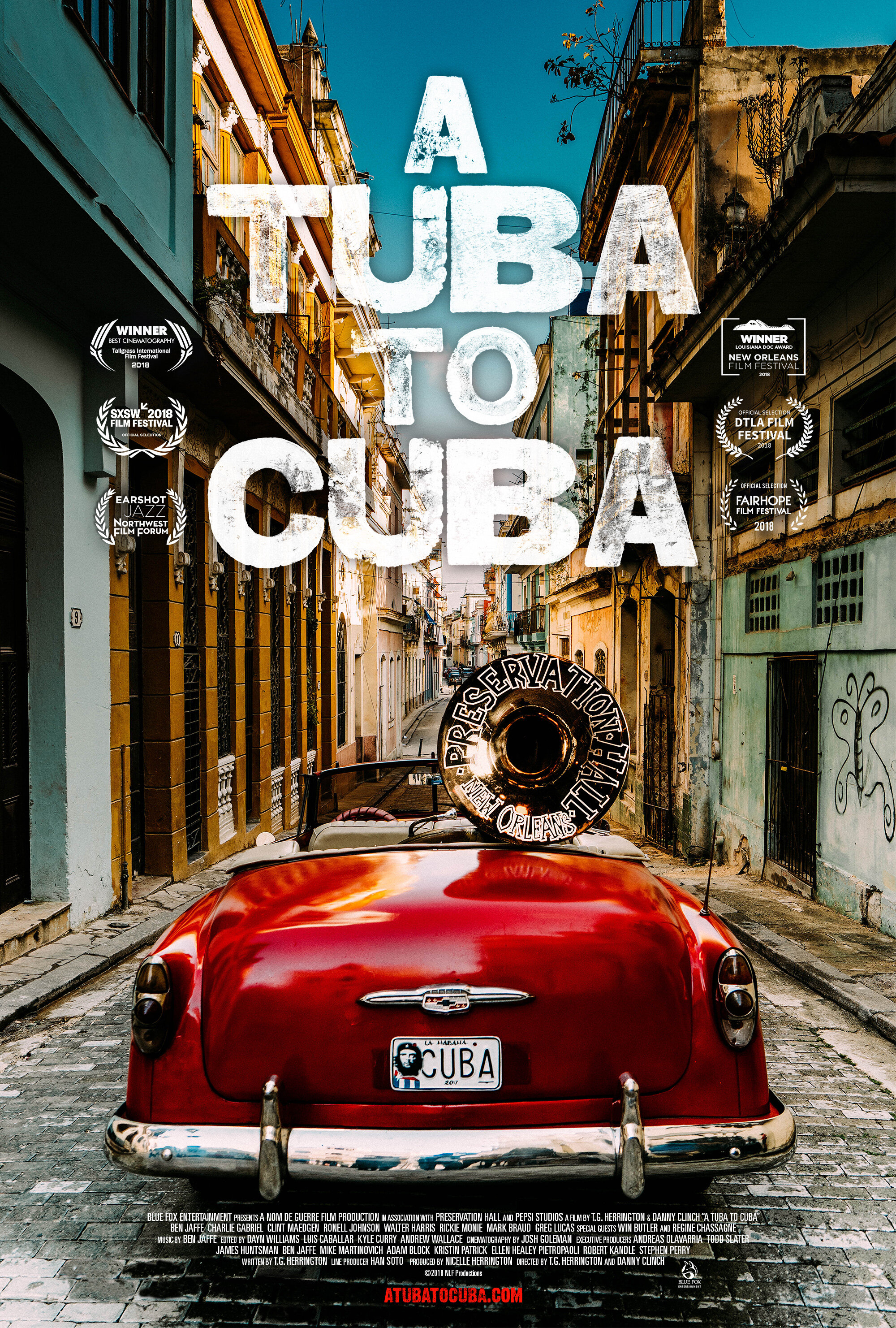
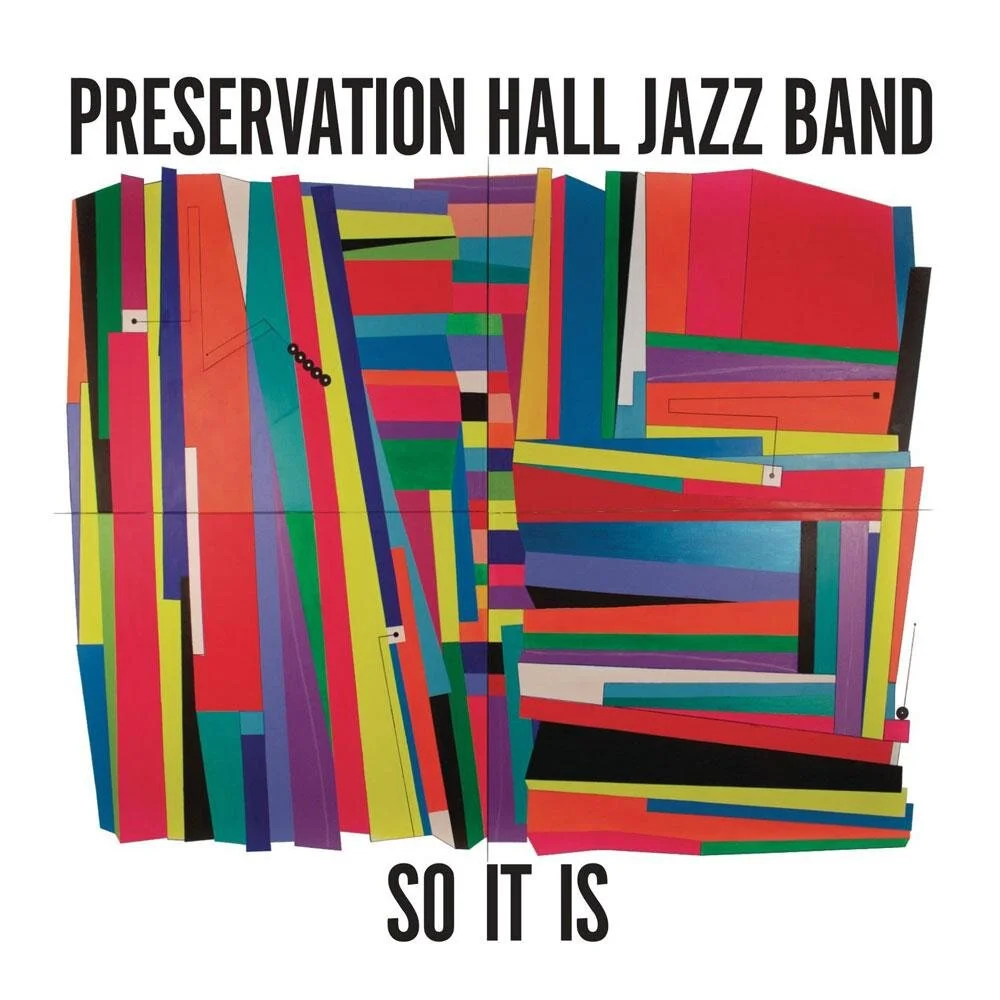
A Tuba To Cuba is as much a soundtrack to our documentary as it is a collection of songs that we wrote and recorded during the filming and after its completion. The writing and recording of our previous release, So It Is, began before our first trip to Cuba in 2015. We had no idea that it would become the album it would until we returned home from that first trip. The A Tuba To Cuba soundtrack is comprised of a combination of songs that are both in the movie and new songs that aren’t in the film - or couldn’t have been in the film - because it was not until we were able to watch it ourselves, that we were again inspired to put that spirit into new music. Our five years exploring the Cuba/NOLA history has been inspiring to say the least.